

Ensuring your property is lit properly isn't always as easy because it seems. There are so many options and forms of lightbulbs available, rendering it difficult to determine which is most beneficial for the needs. But don't worry! We're here to help you understand the basic principles of light bulb soft white vs daylight.
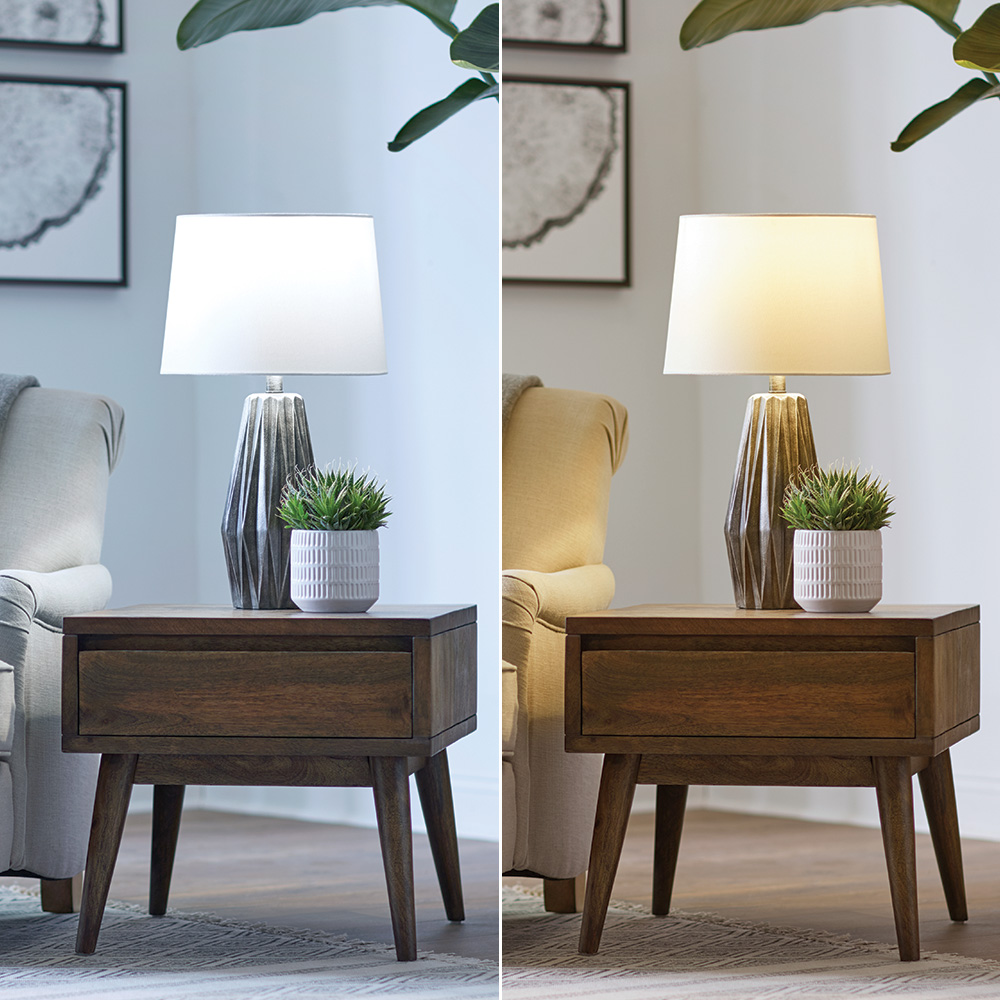
What is the Difference Between Soft White and Daylight Bulbs?
The key difference between soft white (also known as warm white) and daylight bulbs is the colour temperature they emit when they're lit up. Soft white bulbs emit a yellowish-white light, while daylight bulbs emit a far more bluish-white light. The color temperature is measured in Kelvins (K). Soft white bulbs typically have a shade temperature ranging from 2700K - 3000K, while daylight bulbs range from 4000K - 5000K. It's important to comprehend these differences because the kind of bulb you choose can significantly impact how an area looks and feels; as an example, employing a soft white bulb in a home or living room can cause a cozy atmosphere, while employing a daylight bulb in the same space will make it feel more energizing and vibrant.
Benefits of Soft White Bulbs
Soft white bulbs are great for creating an inviting atmosphere because they offer off a warm, yellowish-white light that makes people feel comfortable and relaxed. In addition they work well in areas where you want to create ambiance such as for instance dining rooms or living rooms because they provide softer lighting than daylight bulbs do. Furthermore, these kinds of bulbs are often used in bathrooms since their warmer tone helps give skin tones an even more natural look compared to daylight bulbs which make skin look drained or washed out. Finally, soft white bulbs are energy efficient meaning they use less electricity than other kinds of lighting options such as halogen or fluorescent lights.
Benefits of Daylight Bulbs
Daylight bulbs are ideal for areas where you need bright illumination such as for example offices, kitchens and workshops given that they produce more intense lighting than soft whites do. Additionally they provide better visibility when working on intricate tasks or reading fine print on documents due to their higher color temperature making colors appear sharper and brighter than when using softer lighting options like soft whites or incandescent lights. Additionally, these types of lighting options are generally more energy efficient than traditional incandescent lights since they choose less electricity per lumen (the unit used to measure light intensity). Finally, if you like your property to look bigger than it is then using daylight bulbs using areas will help achieve this effect because the brighter illumination can make spaces seem bigger than what they really are when illuminated with softer lighting options like incandescents or soft whites.

Conclusion:
When it comes to deciding on the best form of lightbulb for your property, there's no one-size-fits-all solution—it will depend on what sort of atmosphere you're trying to create and what tasks you intend on performing in virtually any given space (e.g., working on intricate tasks will demand more intense lighting). That said, understanding the fundamentals between soft white vs daylight will help narrow down your choices so that you find just the right match for your needs! Whether you decide on soft whites because of their cozy ambiance or daylights due to their brighter illumination—or even both—you'll be sure to find a thing that works perfectly for your needs!