

If your puppy is a puller, you understand how difficult it may be to take them on walks. Not just does it cause tension between both of you, but additionally it is not very safe. This is exactly why buying a no pull harness for dogs is this type of great idea. It will help keep your pup from walking around and dragging you along for the ride—literally! But before you obtain started, there are several things to consider when fitting your dog's new no-pull dog harness. Let's start with taking a review of a number of the types of harnesses available and then move on to the particular fitting process.

Types of Harnesses Available
When it comes to no pull harnesses, there are many various sorts to decide on from. The most common type could be the step-in style—it looks like an “H” that wraps around your pup's chest and back legs and has two straps that meet in the centre at their belly. Step-in style harnesses are usually adjustable so you may get the right fit for your pup. Other popular styles include front-clip harnesses and head halters. Front-clip styles offer more control than step-in styles simply because they affix to the collar or leash near their chest instead of their belly area. Head halters are good for puppies that struggle with power struggles while walking; they help provide more control over where your pup goes while also preventing them from pulling or lunging forward too quickly.
Fitting Your Dog's Harness
Now that you understand which kind of no pull harness you intend to purchase, it's time to begin with with fitting it properly on your pup! To begin with, ensure that all the straps are loosened up so they can be adjusted as needed. Then, gently lift up one leg at a time and pass it through one side of the H part until both legs are in place (this works best if someone helps hold your pup still). Once both legs come in place, ensure that the straps aren't too tight or too loose—you should be able to match two fingers involving the straps and your dog's body without the extra room left over. Next up is connecting all four straps together—ensure every one is secure by tucking them under each other before tightening them down so they really won't come undone while walking outside! Finally, once everything is secured, take your pup out for a test walk at home just to make sure everything fits before heading out into public spaces using their new no pull harness!
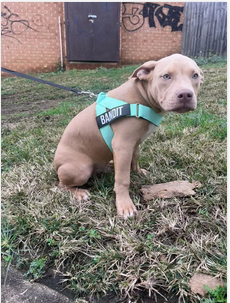
Conclusion: Buying a no pull harness is an excellent way to make certain safe walks together with your pup without having any unnecessary tension between you two! This guide provides step-by-step instructions on how to properly fit one on your furry friend so they can enjoy a myriad of adventures outdoors without fretting about pulling or lunging unexpectedly! With just a couple of simple steps, both you and your furry pal is going to be ready going to the pavement confidently comprehending that everyone stays safe during every outing!